Whether you’ve recently moved to the Yakima Valley or you’re a lifelong resident eager to cultivate your own patch of green, maintaining a garden in Yakima brings its own unique joys and challenges. With over 300 days of sunshine a year, Yakima’s semi-arid climate, and rich volcanic soil, the area offers both opportunities and hurdles for beginner gardeners. From understanding local soil conditions to selecting drought-tolerant plants and mastering efficient irrigation, there’s plenty to learn. This guide breaks down actionable tips and local insights so you can nurture a thriving Yakima garden—even if you’re new to digging in the dirt.
Understanding Yakima’s Unique Garden Environment
Before you plant a single seed, it’s essential to understand the characteristics that make Yakima gardening distinct. The Yakima Valley sits in USDA Hardiness Zones 6b to 7a, meaning winters can drop as low as 0°F but summers are hot and dry, often topping 90°F. Average annual precipitation is only about 8 inches, making water conservation a must.
The soil in Yakima is primarily composed of volcanic ash, silt, and loam—generally fertile but prone to compacting and sometimes high in pH. These factors influence which plants will thrive and how you should amend your soil. For instance, vegetables like tomatoes, peppers, and squash love Yakima’s warm growing season, while cool-season crops like lettuce and peas need to be planted early or late in the season to avoid heat stress.
Key facts: - Yakima receives approximately 300 sunny days per year. - Average last frost date: April 15; first frost: October 15. - Soil is rich but may need organic amendments for best results.Choosing the Right Plants for Yakima’s Climate
Plant selection is where many beginners go wrong—opting for thirsty, shade-loving species that struggle in Yakima’s sun-soaked, dry conditions. Instead, focus on varieties that are drought-tolerant, heat-resistant, and, ideally, native to the region.
Here’s a quick comparison of common garden plants and their suitability to Yakima conditions:
| Plant | Water Needs | Sun Requirements | Yakima Suitability |
|---|---|---|---|
| Lavender | Low | Full Sun | Excellent |
| Tomatoes | Moderate | Full Sun | Excellent |
| Bluegrass Lawn | High | Full/Partial Sun | Poor |
| Russian Sage | Low | Full Sun | Excellent |
| Leaf Lettuce | Moderate | Partial Sun | Good (spring/fall) |
If you’re interested in edibles, stick with heat-loving vegetables such as eggplant, peppers, squash, and beans. For ornamentals, consider yarrow, penstemon, and native grasses. These will not only thrive on less water but also attract pollinators and support local wildlife.
Mastering Watering Techniques in a Dry Climate
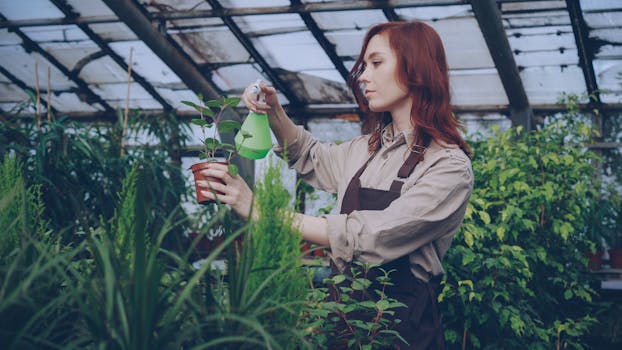
Water is one of the biggest challenges for Yakima gardeners. With such low rainfall, efficient irrigation is key. Overwatering can lead to root rot, while underwatering will stress your plants, especially during the hottest summer months.
Here are some beginner-friendly watering tips: - Water deeply but less frequently: Aim for longer, infrequent watering sessions to encourage deep root growth. - Water early in the morning: This reduces evaporation and allows plants to absorb moisture before peak heat. - Use mulch: A 2-3 inch layer of organic mulch (like bark or straw) locks in soil moisture and suppresses weeds. - Consider drip irrigation: This method delivers water directly to plant roots, reducing waste by up to 50% compared to sprinklers.According to the Washington State Department of Ecology, a typical Yakima household uses about 20,000 gallons of water per year on outdoor irrigation. Drip systems and smarter watering habits can cut this number dramatically—helping your wallet and the environment.
Building Healthy Soil for Your Yakima Garden
Good soil is the foundation of every successful garden. While Yakima’s native soil is generally rich, it can become compacted and may lack organic matter. Healthy soil supports strong roots and helps plants withstand drought.
How can beginners build better soil? - Test your soil: Kits are available at garden centers or through Washington State University Extension. Check for pH, nutrient levels, and texture. - Add compost: Incorporating 2-4 inches of compost each year boosts fertility and improves soil structure. - Avoid over-tilling: Excessive tilling can damage soil microbes and increase erosion—turn soil gently, just enough to mix in amendments. - Rotate crops: If you grow vegetables, change their location each year to prevent nutrient depletion and disease buildup.A local case study: A 2022 Yakima County gardening survey found that gardens amended with compost produced 27% higher vegetable yields compared to those relying solely on native soil.
Dealing with Yakima’s Most Common Garden Pests and Problems
Even the most diligent Yakima gardener will encounter some challenges. Aphids, spider mites, earwigs, and powdery mildew are the most common threats. Luckily, most can be managed without heavy chemicals.
Effective, beginner-friendly strategies include: - Hand-picking: For minor infestations, remove pests by hand or use a gentle spray of water. - Encourage beneficial insects: Ladybugs and lacewings eat aphids and other pests. Planting dill, fennel, or marigolds can attract them. - Use barriers: Floating row covers and collars protect young plants from insects and rabbits. - Practice crop rotation and good garden hygiene: Remove spent plants and debris to minimize overwintering pests and diseases.Powdery mildew, a frequent issue for squash and cucumbers, thrives in Yakima’s hot, dry climate. Combat it by spacing plants for good air circulation and watering at the base, not on the leaves.
Seasonal Maintenance Tasks for Year-Round Garden Success
Gardening in Yakima isn’t just about summer. Each season brings its own set of tasks to keep your garden healthy and productive.
Spring: - Test soil and add amendments. - Start seeds indoors for tomatoes, peppers, and eggplants by early March. - Plant cool-season crops (peas, lettuce, spinach) by late March. Summer: - Mulch and stake tall plants. - Watch for pests and diseases. - Water deeply, especially during heat waves. Fall: - Plant garlic and spring-blooming bulbs in October. - Remove and compost spent plants. - Mulch beds to protect soil from winter erosion. Winter: - Clean and store tools. - Plan next year’s garden based on what worked (or didn’t).By following a simple schedule, you’ll reduce stress on your plants and yourself—and you’ll be rewarded with more reliable harvests and blooms.
Final Thoughts on Maintaining a Garden in Yakima
Yakima’s unique blend of sunshine, dry climate, and rich soils creates both opportunities and challenges for beginner gardeners. By selecting the right plants, practicing smart watering, building healthy soil, and staying proactive about seasonal maintenance, you’ll be well on your way to a flourishing garden. Remember, every gardener learns by doing—so don’t be afraid to experiment, make mistakes, and celebrate your successes. With patience and the right information, your Yakima garden can become a source of beauty, food, and pride for years to come.