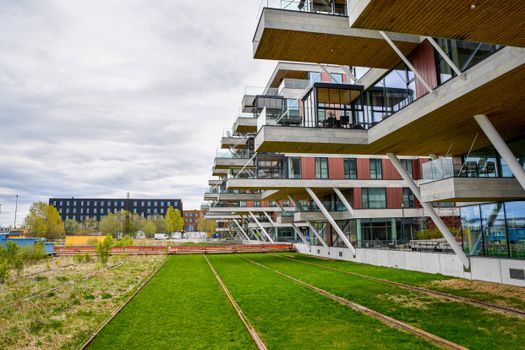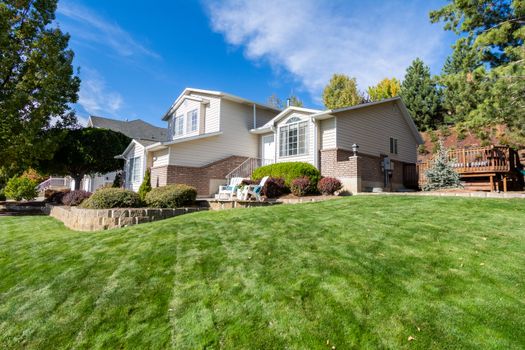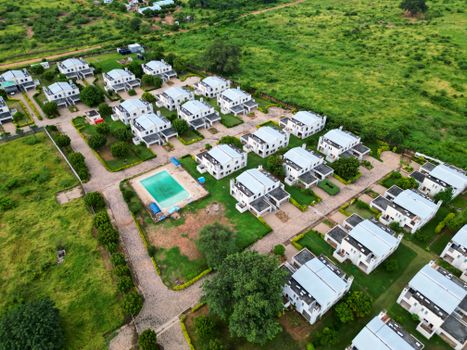
Real estate investment continues to be a proven path to building wealth and financial security in many parts of the United States. In recent years, Yakima, Washington, has emerged as a region offering both promise and unique challenges to investors. Whether you’re a local looking to diversify your portfolio or an out-of-area investor seeking new opportunities, understanding the Yakima real estate market’s potential and risks is essential. This article takes a deep dive into the investment landscape in Yakima, examining market trends, types of investment opportunities, risk factors, profitability, and strategies for success.
Yakima’s Real Estate Market: A Snapshot of Growth and Demand
Yakima, located in central Washington, has seen notable changes in its real estate environment over the past decade. According to the U.S. Census Bureau, Yakima’s population grew by 6.1% between 2010 and 2020, reaching nearly 97,000 residents. This steady growth, combined with the area’s robust agriculture sector and expanding healthcare and education industries, has driven demand for both residential and commercial properties.
The median home price in Yakima as of early 2024 is approximately $340,000, up 8% from the previous year, according to Zillow. This is significantly lower than Washington’s statewide median of $562,000, making Yakima attractive for investors seeking affordability and potential appreciation. Rental demand is also strong: the average rent for a two-bedroom apartment in Yakima stands at $1,250 per month, with vacancy rates hovering below 4% (Yakima Valley Trends, 2023). These numbers signal a healthy balance between supply and demand, but also point to increasing competition among investors and rising entry costs.
Types of Real Estate Investment Opportunities in Yakima
Yakima offers a diverse range of investment opportunities beyond traditional home buying. Each sector comes with its own set of dynamics, rewards, and risks.
Residential Rentals: The most popular entry point for investors, single-family homes and small multi-family units (duplexes, triplexes, fourplexes) can provide steady cash flow. Given the city’s growing rental population and relatively low homeownership rate (just under 53%), the demand for rentals remains robust.
Commercial Properties: Retail spaces, offices, and mixed-use buildings are gaining traction as Yakima’s business sector expands. The downtown area, in particular, is seeing revitalization, with new restaurants, boutiques, and professional services establishing a presence.
Agricultural Land: With Yakima County being one of the top agricultural producers in Washington, farmland investments—orchards, vineyards, and crop land—offer long-term potential. These properties may yield annual rents through leases to farmers or profits from direct cultivation.
Short-Term and Vacation Rentals: Proximity to the Yakima Valley wine region and outdoor attractions has boosted demand for short-term rentals. Sites like Airbnb report a year-over-year increase in bookings of 15% for Yakima-area properties (AirDNA, 2023). However, regulatory trends and seasonality must be carefully considered.
Development Projects: Investors with deeper pockets are exploring infill development, subdivisions, and new construction. While these projects come with higher risk and capital requirements, they can deliver significant returns if market conditions align.
| Investment Type | Typical ROI | Entry Cost (2024) | Key Risks |
|---|---|---|---|
| Residential Rentals | 6-9% annually | $250,000+ | Tenant turnover, maintenance, rent control changes |
| Commercial Properties | 7-10% annually | $500,000+ | Economic downturns, business closures, longer vacancies |
| Agricultural Land | 4-7% annually (plus land appreciation) | $10,000-$25,000 per acre | Commodity price swings, weather, water rights |
| Short-Term Rentals | 8-12% annually | $300,000+ | Regulation, seasonality, property management costs |
| Development Projects | 10-20% (upon completion/sale) | $1M+ | Zoning, construction delays, market shifts |
Potential Benefits: Why Consider Investing in Yakima Real Estate?
Several factors make Yakima appealing for real estate investors, especially compared to larger Washington cities like Seattle or Spokane.
Affordability and Lower Barriers to Entry: With home prices roughly 40% below the state average, investors can acquire property with less capital, diversify their holdings, or scale more quickly.
Strong Rental Demand: Yakima’s growing population, combined with a younger demographic and a large seasonal workforce, creates consistent demand for rental housing. The city’s rental vacancy rate (around 3.7% in 2023) is well below the national average, supporting stable occupancy and income.
Economic Stability: Yakima’s economy is anchored by agriculture, healthcare, and education—industries less prone to rapid boom-and-bust cycles. For example, Yakima County produces more apples than any other county in the U.S., generating over $1.5 billion in annual crop value (USDA, 2022).
Potential for Appreciation: As the city attracts new residents and businesses, property values are likely to appreciate steadily. The median home price has increased by nearly 30% in the past five years, outpacing many similar-sized cities in the region.
Tax Advantages: Washington has no state income tax, and property taxes in Yakima County are lower than in King or Snohomish counties. Investors can also benefit from depreciation, 1031 exchanges, and other federal tax incentives.
Key Risks and Challenges in the Yakima Market
No investment is without risk, and Yakima’s real estate market, while promising, comes with its own set of challenges.
Market Volatility and Affordability Concerns: While Yakima is generally more affordable, rapid price appreciation could lead to affordability issues and price corrections, especially if interest rates rise or if there’s an economic downturn.
Tenant and Property Management Issues: With a mix of year-round and seasonal renters, investors may face higher tenant turnover or challenges related to property upkeep. Local eviction laws and the potential for rent regulation are additional factors to monitor.
Agricultural Uncertainties: Those investing in farmland face risks tied to weather, commodity prices, and water rights. For example, drought conditions in recent years have affected crop yields, impacting lease rates and land values.
Regulatory Shifts: Short-term rental investors must be vigilant about local ordinances. In 2023, Yakima considered new rules to limit Airbnb-type rentals in certain neighborhoods, which could affect profitability.
Liquidity and Exit Strategies: Yakima’s smaller market size means properties may take longer to sell compared to metro areas. Investors should plan for longer holding periods and have contingency plans in place.
Strategies for Maximizing Success in Yakima Real Estate
To make the most of Yakima’s opportunities, investors should combine careful planning with local market knowledge.
1. Do Your Homework: Study neighborhood trends, school ratings, development plans, and zoning changes. Areas near downtown, the hospital district, and wine country are drawing increased attention. 2. Network Locally: Build relationships with real estate agents, property managers, and local lenders. They can provide insights into off-market deals and emerging opportunities. 3. Diversify Your Portfolio: Consider spreading investments across property types—combining residential rentals with a small commercial or agricultural holding, for example—to balance risk and reward. 4. Leverage Professional Management: Especially if investing from outside Yakima, hiring a reliable property manager can help mitigate tenant issues, ensure compliance, and protect your asset. 5. Stay Informed About Regulations: Keep abreast of city and county ordinances affecting zoning, short-term rentals, and development. Regularly review Yakima City Council updates and local news sources.Looking Ahead: The Future of Real Estate Investment in Yakima
Yakima’s real estate market is poised for continued, if measured, growth. With its strategic location in the heart of Washington’s agricultural region, ongoing downtown revitalization, and influx of new residents, the area offers a compelling mix of affordability and upside potential. Still, investors must be mindful of the unique risks—from regulatory changes to agricultural volatility—and approach the market with due diligence and a long-term perspective.
Long-term success in Yakima will likely favor those who combine local expertise with diversified strategies, making use of both traditional rental models and emerging opportunities in commercial, agricultural, and short-term rental sectors. As with any market, staying informed and adaptable is key to weathering market cycles and maximizing returns.