Yakima, a city nestled in the heart of central Washington, is rapidly gaining recognition for more than just its agricultural prowess and scenic beauty. In recent years, Yakima has become a hub for ecological initiatives, particularly in sustainable housing and innovative community projects. As climate concerns and resource conservation climb higher on the public agenda, Yakima’s residents, local government, builders, and nonprofit organizations are collaborating to pioneer greener ways of living. These efforts not only help reduce environmental impact but also foster a healthier, more resilient community for current and future generations.
In this article, we’ll explore Yakima’s leading sustainable housing developments, collaborative community projects, and the measurable impact these initiatives are having. Whether you’re a current resident, a prospective homebuyer, or simply curious about environmental progress in small American cities, read on to discover how Yakima is building a greener tomorrow.
The Rise of Sustainable Housing in Yakima
In response to both environmental challenges and evolving market demands, Yakima has seen a marked increase in sustainable housing projects. Unlike traditional homes, sustainable housing emphasizes resource efficiency, lower carbon footprints, and improved indoor environmental quality.
Between 2018 and 2023, Yakima County reported a 35% increase in residential building permits for homes featuring energy-efficient or green-certified components, according to the Yakima County Building and Fire Safety Division. This uptick is partly driven by new state and local incentives, including Washington’s Clean Energy Transformation Act, which targets 100% clean electricity by 2045.
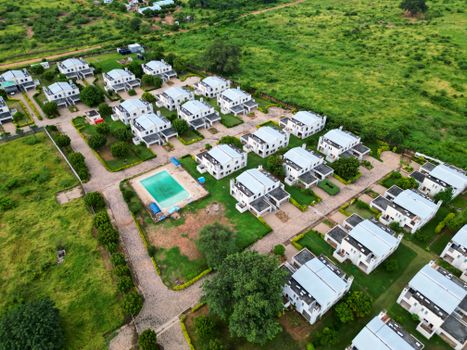
Key features of Yakima’s sustainable housing projects include: - Solar panel installations: Over 600 residences in Yakima now sport rooftop solar, a dramatic rise from just 75 in 2016. - High-efficiency insulation and windows: New builds and retrofits increasingly include ENERGY STAR-certified materials to reduce heating and cooling costs. - Low-flow water fixtures: With central Washington’s semi-arid climate, water conservation is vital. Most new sustainable homes are equipped with low-flow toilets, showerheads, and drought-tolerant landscaping.An exemplary development is the Greenway Cottages, a 24-home community built in 2021 using advanced framing techniques, geothermal heat pumps, and native-plant landscaping. Energy usage in these homes is reported to be 48% lower than comparably sized conventional homes in Yakima.
Community-Led Ecological Projects Making an Impact
Beyond individual homes, Yakima’s neighborhoods are seeing a surge in grassroots ecological projects designed to benefit the wider community. These initiatives often blend environmental stewardship with social engagement, making them unique drivers of local change.
Some of the most notable projects include:
1. Yakima Urban Gardens: Founded in 2017, this nonprofit oversees over 30 community garden plots across the city. These gardens not only supply residents with fresh, organic produce but also promote composting, rainwater harvesting, and pollinator-friendly plantings. In 2023, Yakima Urban Gardens reported diverting 14,000 pounds of food waste from landfills via their composting program. 2. The Tree Canopy Initiative: Recognizing that Yakima’s tree cover was below the national average—just 11% as of 2019—the city launched a public-private partnership to plant 10,000 new trees by 2025. Shade trees are being prioritized in low-income neighborhoods, where summer temperatures can be up to 8°F higher than in leafier areas. 3. Neighborhood Solar Co-ops: In 2021, local volunteers and the Yakima Valley Clean Energy Coalition created a solar co-op, allowing residents to purchase and install solar panels at reduced rates through group buying. As of early 2024, more than 120 households have joined, collectively generating over 1.2 megawatts of clean electricity annually.Comparing Yakima’s Green Housing Initiatives to Other U.S. Cities
How does Yakima’s progress stack up against other comparable cities? Below is a comparison of select sustainable housing metrics between Yakima and two similar-sized U.S. cities: Santa Fe, New Mexico, and Medford, Oregon.
| City | Population (2024) | % New Homes with Solar (2023) | Community Gardens per 10,000 Residents | Tree Canopy Coverage (%) | LEED/Green Certified Homes (2023) |
|---|---|---|---|---|---|
| Yakima, WA | 97,000 | 27% | 3.1 | 11% | 104 |
| Santa Fe, NM | 89,000 | 34% | 2.7 | 18% | 162 |
| Medford, OR | 87,000 | 19% | 3.4 | 14% | 87 |
While Yakima lags behind Santa Fe in tree canopy and certified green homes, it surpasses Medford in solar adoption and community gardens, highlighting the city’s unique strengths and areas for future growth.
Government Policies and Incentives Driving Change
Yakima’s ecological progress hasn’t happened by accident. Local and state policies have provided vital support for both sustainable housing and community-based projects.
Key policies and incentives include:
- Yakima Green Building Code (adopted 2021): Requires new residential and commercial construction to meet efficiency standards above the state baseline, including minimum insulation values, air sealing, and provisions for renewable energy readiness. - Washington State Renewable Energy System Incentive Program: Offers up to $5,000 in rebates for residential solar installations, with additional bonuses for low-income households. - Waterwise Landscaping Rebates: Yakima’s city utility provides rebates for residents who replace traditional lawns with drought-tolerant native plants or install smart irrigation controllers.These measures have had real effects: in 2023 alone, over 380 Yakima homeowners took advantage of local or state incentives to install energy-efficient upgrades or renewable energy systems in their homes.
Furthermore, the city has invested in green infrastructure, such as permeable pavements and bioswales in public parks, to reduce stormwater runoff and improve groundwater recharge. In 2022, Yakima completed the installation of 4,200 feet of green stormwater infrastructure downtown, leading to a 19% reduction in local flooding incidents.
The Role of Local Organizations and Education
Community education and nonprofit engagement are key to Yakima’s ecological transformation. Several local organizations are ensuring that sustainable living is accessible to all residents, regardless of income or background.
- Habitat for Humanity Yakima Valley Partners: This group has completed 52 affordable homes in the past five years, each built to high energy-efficiency standards and incorporating recycled materials where possible. - Yakima Valley Clean Air Agency: Through workshops and outreach, the agency has helped more than 1,000 residents replace older wood stoves with cleaner, EPA-certified models since 2019. - Cowiche Canyon Conservancy: Beyond preserving open space, the Conservancy runs environmental education programs that reached over 2,000 local students in 2023, teaching about native plants, water cycles, and sustainable land use.The impact of these efforts is visible not just in statistics, but in the changing attitudes of Yakima’s residents. A 2023 city survey found that 63% of respondents felt “more aware and engaged” with ecological issues than five years prior—a testament to the effectiveness of local outreach.
Challenges and Opportunities for Yakima’s Sustainable Future
While Yakima has made significant strides, challenges remain. Housing affordability is a growing concern, and the upfront costs of sustainable materials or renewable energy can deter lower-income buyers, even with incentives. Additionally, the region’s unique climate—hot, dry summers and cold winters—requires tailored solutions that may not be directly transferrable from other cities.
Yet, these challenges also present opportunities. Yakima’s agricultural tradition provides a rich foundation for further innovation in food systems, water conservation, and zero-waste initiatives. Partnerships with local businesses, schools, and tribal organizations can amplify impact and ensure that ecological benefits are equitably shared.
Looking ahead, experts see great potential for expanding green job training, electrifying public transport, and integrating climate resilience planning into all levels of city governance. With continued leadership and community involvement, Yakima is well-positioned to become a model for sustainability among mid-sized American cities.
Yakima’s Green Path Forward: What It Means for Residents
Ecological initiatives in Yakima, from sustainable housing to vibrant community projects, are shaping not only the city’s landscape but also its future. As more homes integrate solar energy, as neighborhoods enjoy the shade of newly planted trees, and as residents gather in flourishing community gardens, Yakima is building a blueprint for sustainable living that balances environmental stewardship, economic opportunity, and community well-being.
For residents and potential homebuyers, this means more options for energy-efficient, resource-conserving homes, a healthier urban environment, and opportunities to participate in shaping a greener city. As Yakima continues to innovate and invest in sustainability, it stands as a testament to what’s possible when communities come together for the benefit of people and planet alike.