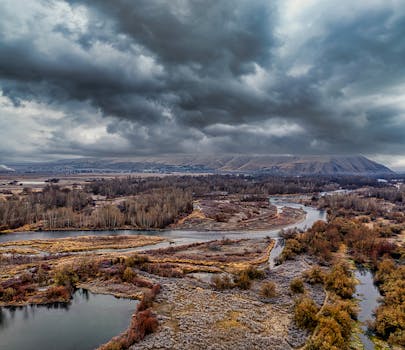
Yakima, Washington, is more than just a name on the map—it's a city with a unique climate, rich agricultural heritage, and a thriving local culture. For many, Yakima is a place to put down roots, raise a family, or start anew. But what is it really like to live in Yakima? From its cost of living and job market to its outdoor adventures and community spirit, this comprehensive guide will help you understand what daily life in Yakima truly offers.
The Heart of Washington: Yakima’s Location and Climate
Nestled in south-central Washington State, Yakima sits in the fertile Yakima Valley, bordered by the Cascade Mountains to the west and rolling hills to the east. It’s about 145 miles southeast of Seattle and 200 miles northeast of Portland, Oregon. This central location makes Yakima a convenient base for exploring the Pacific Northwest.
Yakima is known for its semi-arid climate. The city averages just 8 inches of rainfall annually, making it one of the sunniest cities in Washington. Residents enjoy over 300 days of sunshine per year—significantly more than Seattle’s 152 sunny days. Summers are warm and dry, with average highs in July reaching 89°F, while winters are cold but not severe, with average January highs around 37°F. This climate is ideal for agriculture and appeals to those who prefer dry, sunny weather.
Cost of Living: Affordability in Yakima
One of Yakima’s biggest draws is its affordability. Compared to other cities in Washington, especially Seattle or Tacoma, Yakima offers a much lower cost of living. According to the U.S. Census Bureau’s 2023 estimates, the median home price in Yakima is about $320,000, compared to Seattle’s median of over $800,000. Renters can expect to pay around $1,050 per month for a two-bedroom apartment, significantly less than the state average.
Utilities, groceries, and transportation costs are also below the national average. For instance, Yakima’s average monthly electricity bill is about $120, while in Seattle, it can exceed $170. Healthcare is also more accessible and less costly, with Yakima Valley Memorial Hospital serving as the city’s main medical center.
Here’s a quick comparison:
| Category | Yakima | Seattle | National Average |
|---|---|---|---|
| Median Home Price | $320,000 | $800,000+ | $416,000 |
| Average Rent (2BR) | $1,050 | $2,450 | $1,320 |
| Electric Bill (Monthly Avg.) | $120 | $170 | $137 |
| Annual Rainfall | 8 inches | 37 inches | 38 inches |
| Sunny Days/Year | 300+ | 152 | 205 |
Jobs and Economy: Opportunities in Agriculture and Beyond
Yakima’s economy is deeply rooted in agriculture. The valley is one of the most productive agricultural areas in the United States, producing over 75% of the nation’s hops, as well as apples, cherries, pears, and wine grapes. The region’s robust agricultural sector means jobs in farming, food processing, and logistics are plentiful.
However, Yakima is not just about farming. Healthcare, education, and manufacturing are also major employers. The Yakima School District employs more than 1,500 people, while the Yakima Valley Memorial Hospital is another top employer. The city is also home to Pacific Northwest University of Health Sciences, which brings in academic and healthcare professionals.
In 2023, the unemployment rate in Yakima was 5.3%, slightly above the national average but trending downward. The median household income in Yakima is about $54,000—lower than the national average ($74,580), but the lower cost of living helps offset this difference.
Yakima’s proximity to major highways (Interstate 82 and U.S. Route 97) makes it a transportation and logistics hub. For entrepreneurs, the city offers business incentives and a supportive small-business environment, particularly in areas related to food production, wine, and craft brewing.
Education and Family Life: Schools, Parks, and Community Spirit
For families, Yakima offers a supportive environment with plenty of resources. The Yakima School District operates over 20 schools, serving 16,000+ students. There are several private and parochial schools, as well as higher education options like Yakima Valley College, which enrolls more than 7,000 students annually.
Extracurricular activities are abundant. The city maintains over 20 parks, including the 46-acre Franklin Park, which features playgrounds, tennis courts, and swimming pools. Yakima’s Greenway Trail offers 20 miles of biking and walking paths along the Yakima River.
Community events are a big part of local life. The Central Washington State Fair attracts over 300,000 visitors each fall, while the Yakima Folklife Festival and Fresh Hop Ale Festival celebrate the area’s culture and agricultural bounty. In 2022, Yakima was ranked among the top 10 “Most Neighborly Cities” in the Pacific Northwest by Neighbor.com, thanks to its community engagement and volunteer programs.
Outdoor Recreation: Adventure in Every Season
If you love the outdoors, Yakima is a paradise. The city’s sunny climate and scenic surroundings make it ideal for hiking, biking, and fishing. The nearby Cascade Mountains are home to White Pass Ski Resort, just 50 miles west, offering skiing and snowboarding from December through March.
Wine lovers flock to Yakima’s 120+ wineries and tasting rooms, with the Yakima Valley producing more than half of Washington’s wine grapes. The Yakima River Canyon is a hotspot for fly fishing and river rafting, while nearby Cowiche Canyon offers over 30 miles of trails for hiking and mountain biking.
Golfers can enjoy several courses, including Apple Tree Golf Course, famous for its signature apple-shaped island green. In the summer, you’ll find farmers markets, fruit stands, and u-pick orchards throughout the valley.
Yakima’s location also makes it easy to explore Mount Rainier National Park (about 70 miles away) or enjoy a weekend trip to Seattle or Portland.
Cultural Life and Local Flavor: What Makes Yakima Unique
Yakima’s cultural scene is vibrant, with influences from its Native American, Hispanic, and European heritage. Over 48% of Yakima’s population identifies as Hispanic or Latino, according to the 2020 Census, giving the city a rich multicultural flavor.
The Capitol Theatre, built in 1920, hosts Broadway shows, concerts, and community events. The Yakima Valley Museum explores local history, while the Larson Gallery at Yakima Valley College features rotating art exhibitions.
Food is a highlight—Yakima’s farm-to-table restaurants, taco trucks, and bakeries are beloved by locals. Don’t miss the annual Fresh Hop Ale Festival, which showcases local breweries using hops picked within 24 hours of brewing. Yakima is also known for its apple cider, artisan cheeses, and locally roasted coffee.
Farmers markets run from spring through fall, offering fresh produce, crafts, and live music. The Downtown Yakima Farmers Market, held every Sunday, draws thousands of visitors each season.
Final Thoughts: Is Yakima Right for You?
Living in Yakima, Washington, offers a unique blend of affordability, sunshine, and small-town charm with the amenities of a growing city. Whether you’re drawn by the abundant outdoor activities, the rich agricultural tradition, or the welcoming community, Yakima has something for everyone.
The city’s slower pace, lower cost of living, and access to both cultural attractions and natural beauty make it a compelling choice for families, retirees, and young professionals alike. Like any city, Yakima has its challenges—including lower median incomes and a reliance on agricultural jobs—but for many, the benefits far outweigh the drawbacks.
If you’re searching for a place with a strong sense of community, affordable living, and endless opportunities for adventure, Yakima is worth considering as your next home.