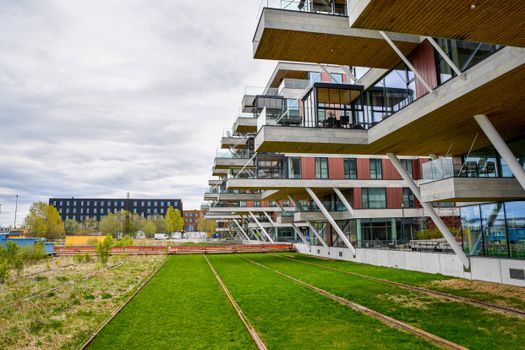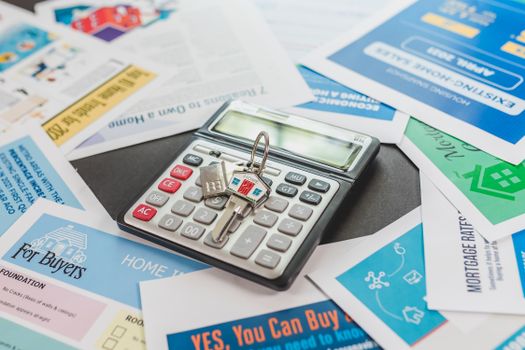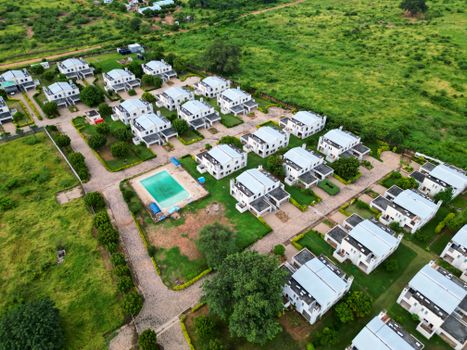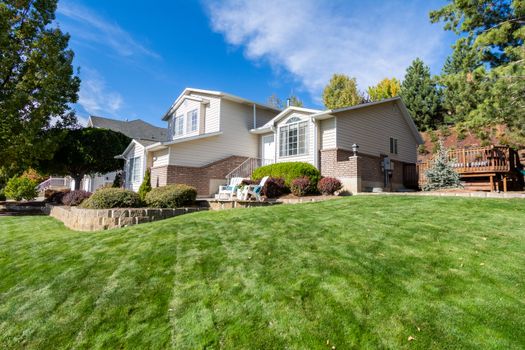
Real estate investment has long been a trusted path to building wealth, and the Yakima region in Central Washington is increasingly attracting the attention of savvy investors. With its unique blend of affordable property prices, a growing population, and a diversified economy, Yakima presents a promising landscape for those looking to grow their portfolios. But with opportunity comes competition and complexity. To succeed, investors must understand the local market dynamics, choose the right investment strategies, and leverage Yakima’s distinctive advantages. In this article, we’ll explore the best strategies for investing in real estate in Yakima, offering actionable insights, data comparisons, and tips tailored to this dynamic market.
Understanding the Yakima Real Estate Market Landscape
Before you invest, it’s essential to grasp the local conditions that shape Yakima’s real estate market. Yakima County, with a population exceeding 260,000, is the second-largest agricultural producer in the state, and its economy continues to diversify. The city of Yakima itself has seen steady population growth, averaging 0.7% annually since 2015. According to Zillow, the median home price in Yakima in early 2024 was approximately $325,000, which is about 38% lower than Washington’s statewide median.
Rental demand remains consistent, partly due to the area’s large agricultural workforce and a strong base of local employers in healthcare, education, and manufacturing. The average rent for a two-bedroom apartment is roughly $1,150 per month—well below Seattle’s average of $2,300 but with attractive yield potential given Yakima’s lower buy-in costs.
Investors should also note Yakima’s relatively low property taxes (around 0.91% of assessed value versus a statewide average of 1.03%), and a landlord-friendly legal environment, making it easier to manage investment properties. These unique features set the stage for a range of profitable strategies.
Buy-and-Hold: Building Long-Term Wealth in Yakima
The buy-and-hold approach—purchasing residential or multifamily properties and renting them out for several years—is one of the most popular strategies in Yakima. The city’s stable rental market and gradual appreciation make it ideal for investors focused on steady, long-term gains.
Key advantages of buy-and-hold in Yakima include:
- $1: With a strong renter base including students, seasonal workers, and families, vacancy rates remain relatively low (hovering around 4.2% as of late 2023). - $1: Home values in Yakima have risen 7.1% year-over-year, outpacing the national average of 5.3%. - $1: Investors can deduct mortgage interest, property taxes, and depreciation, reducing taxable income.To maximize returns, investors should target neighborhoods with high rental demand such as West Valley, Terrace Heights, and the downtown core, where amenities, schools, and job opportunities attract reliable tenants.
Short-Term Rentals: Capitalizing on Yakima’s Tourism and Events
Yakima is a hub for wine tourism, outdoor recreation, and events such as the Central Washington State Fair—which drew over 300,000 attendees in 2023. These factors have fueled demand for short-term rental properties via platforms like Airbnb and VRBO.
Short-term rentals can generate significantly higher monthly income than traditional rentals but come with greater management requirements and seasonal fluctuations. In 2023, the average nightly rate for an entire home in Yakima was $156, with occupancy rates peaking at 78% during the summer festival season.
To succeed with short-term rentals in Yakima:
- Focus on properties near wine country (e.g., Rattlesnake Hills, Zillah, or Prosser), downtown Yakima, or near major event venues. - Prioritize properties with unique features—such as historic homes or homes with mountain views—that appeal to travelers. - Stay up-to-date with Yakima’s short-term rental regulations, which require licensing and compliance with local health and safety codes.Short-term rentals often require greater upfront investment in furnishings and marketing but can deliver returns exceeding 12% cap rates during peak periods.
House Hacking: Live In, Rent Out, and Reduce Costs
House hacking—a strategy where investors purchase a multifamily property or a single-family home with a basement or accessory dwelling unit (ADU), live in one part, and rent out the rest—is gaining traction in Yakima.
This approach is particularly effective for first-time investors or those looking to offset their own housing costs. Yakima’s housing stock includes a variety of duplexes, triplexes, and homes with rentable spaces. For example, a well-located duplex purchased for $390,000 can generate $1,100 in rent per unit. If you live in one unit and rent out the other, your out-of-pocket housing expense could be as low as $400/month after factoring in rental income.
Key benefits of house hacking in Yakima:
- Lower down payment requirements, as FHA loans allow as little as 3.5% down for owner-occupied multifamily properties. - Immediate cash flow to offset mortgage and utilities. - Experience as a landlord with less risk, since you’re on-site to manage issues as they arise.House hacking is also a springboard to scaling your investment portfolio: once you move out, you can convert the entire property to a traditional rental, maximizing cash flow.
Fix-and-Flip: Opportunities and Risks in the Yakima Market
The fix-and-flip strategy—buying undervalued homes, renovating them, and quickly reselling for profit—can be lucrative in Yakima, thanks to its inventory of aging homes and relatively low purchase prices.
According to ATTOM Data Solutions, the average gross profit on a home flip in Yakima in 2023 was $47,200, with an average time-to-sale of 181 days. While these numbers are attractive, they also highlight the need for careful planning: remodeling costs have risen 14% since 2020, and competition for distressed properties has increased.
Best practices for fix-and-flip investors in Yakima include:
- Partner with local contractors who understand Yakima’s permitting process and labor market. - Target properties in up-and-coming neighborhoods near schools, parks, and shopping. - Analyze comparable sales and budget conservatively, allowing for unexpected repairs or market shifts.Despite the risks, fix-and-flip remains viable, especially for investors with renovation expertise or access to off-market deals.
Comparing Investment Strategies in Yakima: Data Overview
To help investors decide which approach best fits their goals, here’s a comparative overview of the most popular real estate investment strategies in Yakima:
| Strategy | Average Entry Cost | Typical Annual Return | Management Required | Risk Level |
|---|---|---|---|---|
| Buy-and-Hold Rental | $325,000 (median home) | 6-9% | Moderate | Low-Medium |
| Short-Term Rental | $350,000 (turnkey property) | 10-14% | High | Medium |
| House Hacking | $390,000 (duplex/triplex) | 8-12% | Moderate | Low |
| Fix-and-Flip | $210,000 (distressed property) | 15-20% (if successful) | Very High | High |
These figures are based on 2023-2024 market data from local MLS, AirDNA, and investor reports. Actual results will vary depending on location, timing, and management.
Leveraging Local Resources and Building Your Yakima Network
One of the most overlooked strategies for investing in Yakima real estate is leveraging local expertise and resources. Yakima’s market is shaped by factors such as agricultural cycles, seasonal employment, and regional development initiatives. Local knowledge is critical—successful investors build relationships with:
- Real estate agents who specialize in investment properties. - Property managers familiar with tenant screening and local regulations. - Lenders offering competitive investment loans and programs (such as USDA rural development loans, which can apply to certain Yakima areas). - Local government and economic development organizations, which offer incentives for revitalizing properties or supporting affordable housing.Networking through the Yakima Valley Landlords Association or attending city planning meetings can provide early insights into zoning changes, new developments, or opportunities to acquire properties before they hit the open market.
Final Thoughts: Choosing the Right Real Estate Investment Strategy in Yakima
Yakima’s real estate market offers a compelling mix of affordability, growth potential, and investment diversity. Whether you’re a first-time investor looking to house hack your way to financial freedom, a seasoned landlord building a rental portfolio, or a renovator seeking your next flip, Yakima has options to match your risk tolerance and investment goals.
The key to success is knowing the market’s unique dynamics, crunching the numbers, and leveraging local networks. With careful planning, Yakima can be a launchpad for both steady cash flow and long-term appreciation.