Yakima Real Estate Market Trends in 2024: Pricing, Inventory, and Buyer Shifts
The Yakima real estate market in 2024 is undergoing significant transformations, reflecting both national housing trends and the unique dynamics of Central Washington. With its steady population growth, affordable home prices compared to the West Coast, and a diversifying economy, Yakima has become a focal point for buyers, investors, and sellers alike. But what exactly is happening in Yakima's housing market this year? From rising home values and shifting buyer demographics to evolving inventory patterns, this article takes a detailed look at the key trends shaping Yakima's real estate landscape in 2024.
Yakima Home Prices: Growth Persists, But at a Slower Pace
In 2024, Yakima’s median home price continues to climb, but the rapid acceleration seen in previous years has tempered. According to local MLS data, the median home price in Yakima reached $337,000 in May 2024, up 5.2% year-over-year. This increase is notably slower compared to the double-digit surges of 2021 and 2022, when post-pandemic demand and limited inventory sent prices soaring.
Several factors contribute to this moderation:
- Mortgage rates have stabilized at around 6.5-7%, which has cooled some buyer enthusiasm compared to the sub-4% rates of 2020-2021. - New construction has increased, adding more options to the market and easing some of the supply pressures. - Buyer fatigue and affordability concerns have led some would-be homeowners to pause their searches or consider renting instead.Despite the slower price growth, Yakima remains more affordable than many West Coast cities. For example, Seattle’s median home price in April 2024 was $870,000, more than double Yakima’s. This affordability continues to attract both first-time buyers and out-of-area relocators.
Inventory and Supply: Gradual Improvement, But Still Tight
One of the defining characteristics of Yakima’s real estate market in recent years has been limited inventory. In 2024, the situation is improving, but only gradually. As of June, Yakima had a 2.4-month supply of homes for sale, up from 1.7 months a year prior but still below the 4-6 months considered a balanced market.
Several trends are driving these changes:
- Builders are responding to demand with more new developments, especially in the Terrace Heights and West Valley neighborhoods. - Baby boomers are starting to downsize, slowly releasing some existing homes onto the market. - However, many homeowners with ultra-low mortgage rates are reluctant to sell, keeping resale inventory tight.This inventory crunch means that competitive offers, bidding wars, and fast-moving listings are still common, particularly for homes priced under $400,000. In May 2024, 55% of Yakima homes sold above asking price, a testament to the ongoing competition among buyers.
Changing Buyer Demographics: Millennials, Remote Workers, and Out-of-Town Buyers
The composition of buyers in Yakima is evolving, reflecting broader societal and economic shifts. Three groups are especially prominent in 2024:
1. Millennials: Now the largest homebuying cohort nationwide, millennials are driving much of the demand in Yakima’s entry-level and mid-priced segments. Many seek family-friendly neighborhoods with access to parks and good schools. 2. Remote Workers: The rise of remote and hybrid work has enabled more professionals from Seattle, Portland, and even California to relocate to Yakima, attracted by the lower cost of living and quality of life. 3. Out-of-Town Investors: With Yakima’s relative affordability and strong rental demand, more investors from outside the region are purchasing single-family homes and multifamily properties.Notably, the share of buyers coming from outside Yakima County increased by 18% in the first quarter of 2024, according to the Yakima Association of Realtors. This influx is adding to competition but also diversifying the community and stimulating local businesses.
Rental Market Interplay: Rising Rents and Investor Activity
The Yakima rental market is closely linked to the for-sale market, and 2024 has seen notable shifts here as well. Average rents in Yakima rose 6.3% year-over-year, with a two-bedroom apartment now averaging $1,225 per month. Limited rental inventory and ongoing in-migration are pushing rents higher.
This trend has several implications for the broader real estate market:
- Investors find Yakima attractive, with rental yields averaging 6.5%, higher than Seattle’s 4.1% average. - Some would-be homebuyers are renting longer due to affordability concerns or limited home choices. - New apartment developments are in the pipeline, but demand continues to outpace supply.The table below offers a snapshot comparison of home prices and average rents in Yakima versus select Washington markets:
| Market | Median Home Price (May 2024) | Average 2BR Rent | Estimated Rental Yield |
|---|---|---|---|
| Yakima | $337,000 | $1,225 | 6.5% |
| Spokane | $426,000 | $1,400 | 5.2% |
| Seattle | $870,000 | $2,600 | 4.1% |
| Tri-Cities | $441,000 | $1,500 | 4.7% |
This data highlights Yakima’s continued appeal to both renters and investors, especially in the context of Washington’s major housing markets.
New Construction Trends: Growth in Suburbs and Sustainable Design
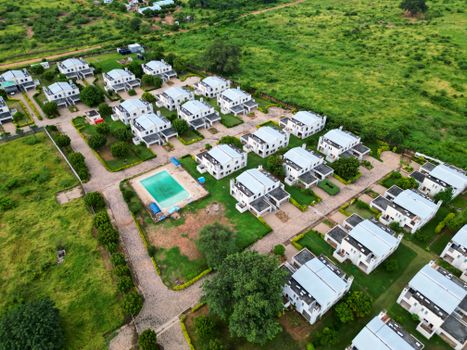
In response to ongoing demand and affordability pressures, Yakima’s new construction sector is expanding. The number of building permits issued for single-family homes in Yakima County increased by 14% in the first five months of 2024, compared to the same period in 2023. Most of this growth is concentrated in suburban neighborhoods like Terrace Heights, Moxee, and West Valley.
Two key trends stand out:
1. Suburban Expansion: Buyers, especially families, are seeking larger lots, quieter streets, and access to new schools and parks. Developers are responding with master-planned communities and new subdivisions. 2. Sustainable Features: More builders are incorporating energy-efficient appliances, solar panels, and drought-resistant landscaping. Nearly 30% of new homes in Yakima County in 2024 have some form of green certification, reflecting growing demand for sustainability and lower utility costs.This construction boom is helping to gradually increase inventory and offer more diverse housing options, from townhouses to single-family homes with modern amenities.
Interest Rates and Affordability: Navigating the New Normal
Interest rates remain a crucial factor in Yakima’s real estate market. After the dramatic increases of 2022 and 2023, rates have stabilized in the 6.5-7% range throughout much of 2024. While not as favorable as the historically low rates earlier in the decade, this stability provides some predictability for buyers and sellers.
Affordability, however, remains a challenge for some segments, particularly first-time buyers. The National Association of Realtors’ Housing Affordability Index for Yakima stood at 122 in early 2024 (where 100 means a median-income family can just afford a median-priced home). Although this is better than Seattle's index of 78, it does represent a decline from Yakima’s 2020 reading of 146.
Buyers are responding with creative strategies:
- Larger down payments to lower monthly payments - Use of first-time buyer grants and down payment assistance - Increased willingness to consider fixer-uppers or homes in up-and-coming neighborhoodsSellers, meanwhile, are pricing homes more strategically, often offering concessions such as covering closing costs or providing home warranties to attract buyers without dropping list prices significantly.
Final Thoughts: What the Future Holds for Yakima Real Estate in 2024
The Yakima real estate market in 2024 is in a phase of adjustment and opportunity. While price growth has moderated and inventory is slowly improving, competition remains strong, and demand is being fueled by both local and out-of-area buyers. The interplay of rising rents, new construction, and shifting demographics is creating a dynamic real estate environment that rewards both careful preparation and adaptability.
Yakima’s enduring affordability and quality of life, combined with its proximity to major economic hubs, ensure that it will remain a sought-after market for buyers, investors, and renters alike. As the rest of the year unfolds, watch for continued suburban growth, innovative new developments, and ongoing shifts in who’s buying—and why—in Central Washington’s vibrant housing market.