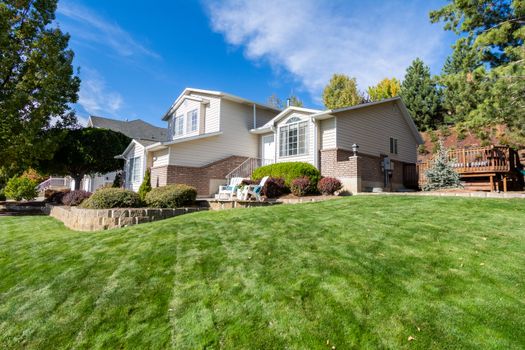
Relocating to a new city is always a big step, and moving to Yakima, Washington, is no exception. Set in the heart of the state’s fertile Yakima Valley, this city is often called the “Palm Springs of Washington” for its sunny climate and is renowned for its vibrant agriculture, wineries, and welcoming community. Whether you’re headed here for work, family, or a change of scenery, preparing for your move can make all the difference in how smoothly your transition goes. This in-depth guide covers practical advice and actionable tips, tailored specifically for those planning a move to Yakima, to help you settle in with confidence.
Understanding Yakima’s Climate and Lifestyle: What to Expect
One of the first things newcomers notice about Yakima is its distinct climate. Unlike the rainy stereotype of the Pacific Northwest, Yakima boasts around 300 days of sunshine annually, with hot, dry summers and cool, sometimes snowy winters. Average summer highs reach 89°F in July, while winter lows can dip to 22°F in January. This unique weather pattern affects everything from what you pack to how you care for your home and car.
Yakima’s lifestyle is shaped by its agricultural roots. The area is a leading producer of apples, hops, cherries, and wine grapes. Local farmers’ markets, U-pick orchards, and vineyard tours are common weekend activities. The pace of life tends to be relaxed, with a strong sense of community and a family-friendly atmosphere. Outdoor recreation is a major draw, with hiking, fishing, and skiing all easily accessible.
If you’re coming from a larger city, you’ll find less traffic, shorter commutes, and more open space. However, Yakima’s amenities are growing. Over 95,000 people call the city home as of 2024, supporting a variety of restaurants, shops, and cultural events.
Budgeting for Your Move: Cost of Living and Relocation Expenses
Careful budgeting is crucial when planning any move. Fortunately, Yakima’s overall cost of living is about 11% lower than the national average, according to Sperling’s Best Places. Housing is particularly affordable, with the median home price around $315,000 as of early 2024—significantly less than Seattle’s $850,000 median.
Here’s a comparison of typical monthly expenses in Yakima versus two other Washington cities:
| Expense Category | Yakima | Seattle | Spokane |
|---|---|---|---|
| Median Rent (2BR) | $1,150 | $2,400 | $1,300 |
| Median Home Price | $315,000 | $850,000 | $380,000 |
| Utilities (Monthly) | $175 | $210 | $180 |
| Groceries (Monthly, 2-person) | $420 | $520 | $450 |
| Gasoline (per gallon) | $4.30 | $4.60 | $4.25 |
Relocation expenses also include moving truck rentals (averaging $1,200–$2,500 for interstate moves), professional movers, temporary lodging, and deposits for utilities or rentals. Be sure to factor in these one-time costs, and consider choosing a moving date outside the late spring or summer peak to save money.
Finding Your New Home: Neighborhoods and Housing Options
Yakima offers a diverse range of neighborhoods and housing types, from historic homes near downtown to spacious new builds on the city’s edge. Popular neighborhoods include:
- West Valley: Known for its suburban feel, good schools, and parks, this area is popular with families. - Downtown Yakima: Ideal for those seeking walkability, with lofts, condos, and access to restaurants and cultural venues. - Terrace Heights: Offers newer developments and scenic views, often chosen by professionals and retirees. - Selah and Union Gap: Suburbs that provide quieter living just minutes from Yakima proper.Rental options vary from apartment complexes to single-family houses, with average rents below the state average. If you plan to buy, start your search early. Inventory can be tight in spring and summer, so pre-approval for a mortgage will give you an edge.
Don’t forget to research school districts, commute times, and proximity to amenities. Yakima’s public schools serve over 16,000 students, and there are several private and charter options as well.
Packing and Moving Logistics: Organizing for Success
Once you’ve found your new home, it’s time to tackle the practicalities of packing and moving. Here are key tips to make the process efficient and stress-free:
- Start Early: Begin sorting and packing at least 6 weeks before your move. Donate or sell items you no longer need—Yakima has several thrift stores and donation centers. - Label Everything: Use color-coded labels or markers for each room, making it easier to direct movers and unpack quickly. - Protect Valuables: Yakima is a dry climate, but winter moves can mean snow or ice. Use plastic bins for sensitive items, and keep important documents with you. - Book Services in Advance: Moving companies, truck rentals, and storage units can fill up quickly, especially during summer. Confirm your reservations at least a month ahead. - Notify Utilities and Services: Arrange for utility shutoff at your current home and set up water, power, internet, and garbage collection in Yakima. The City of Yakima and Pacific Power are the main providers.For long-distance moves, consider using a moving checklist app to track tasks. If you’re relocating with pets, make sure they’re up-to-date on vaccinations and research local veterinarians. Washington State requires pet licenses for dogs and cats.
Settling In: Navigating Local Services and Making Connections
Arriving in Yakima is just the beginning—settling in involves connecting with local services and finding your community. Here’s how to make the transition smoother:
- Update Your Address: File a change of address with the USPS, update your driver’s license at the Washington Department of Licensing (you have 30 days to do so after moving), and notify banks and insurance providers. - Health Care: Yakima has two major hospitals—Yakima Valley Memorial Hospital and Virginia Mason Memorial—plus primary care clinics. If you have ongoing medical needs, transfer records ahead of time. - Transportation: While Yakima Transit operates fixed bus routes, most residents rely on personal vehicles. If you’re new to winter driving, consider getting snow tires or chains. - Community Resources: Take advantage of the Yakima Public Library system, local recreation centers, and neighborhood associations. Volunteering or joining clubs is a great way to meet people. - Shopping and Essentials: Major grocery stores include Safeway, Fred Meyer, and Fiesta Foods (which specializes in Hispanic products). For local flavor, visit the Yakima Farmers’ Market, open Sundays from May through October.Yakima is proud of its multicultural heritage. Annual events such as the Yakima Folklife Festival and Fresh Hop Ale Festival are excellent opportunities to socialize and learn about local culture.
Preparing for Seasonal Changes and Outdoor Living
One of the best things about Yakima is its abundance of sunshine and outdoor activities, but the climate can require some adaptation:
- Summer: Temperatures regularly rise above 90°F, so make sure your home has effective air conditioning. Outdoor enthusiasts should bring sunscreen, hats, and water bottles for hiking or biking. - Winter: While snowfall averages 18 inches per year, icy roads can catch newcomers off guard. Keep your car winter-ready and learn safe driving techniques. - Gardening: If you enjoy gardening, Yakima’s long growing season is a plus. The area falls in USDA Hardiness Zones 6b–7a. Local nurseries offer advice tailored to the region’s soil and weather. - Fire Safety: Dry summers mean a higher risk of wildfires. Prepare an emergency kit, sign up for Yakima County alerts, and keep defensible space around your home.By anticipating these seasonal shifts, you’ll be able to enjoy Yakima’s outdoor lifestyle safely and comfortably.
Final Thoughts on Preparing for Your Move to Yakima
Moving to Yakima offers a blend of affordability, sunshine, and community spirit that’s hard to match in the Pacific Northwest. With careful planning—understanding the local climate, budgeting for the move, choosing the right neighborhood, getting organized, and connecting with local resources—you’ll set yourself up for a smooth, successful transition.
Yakima welcomes newcomers with open arms, and with the right preparation, you can quickly turn this city into a true home. Embrace the valley’s unique lifestyle, explore new experiences, and soon you’ll see why so many people love calling Yakima home.