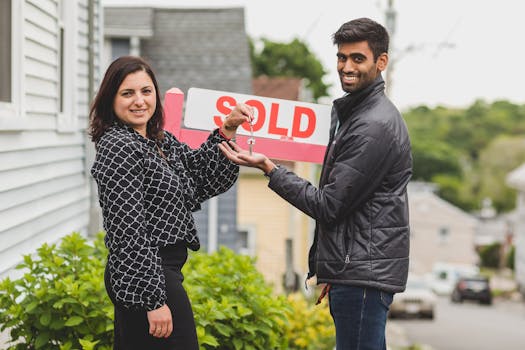
Selling your home is a major milestone, and in a dynamic market like Yakima, Washington, getting the best result requires more than just putting up a “For Sale” sign. Yakima’s unique blend of agricultural heritage, growing economy, and vibrant neighborhoods means that sellers have a distinct set of opportunities and challenges. Whether you’re moving across town or across the country, understanding how to position your home for success can make a significant difference in both your sales price and timeline. This article dives into actionable, Yakima-specific strategies that go beyond the basics—helping you maximize your home’s value and appeal in today’s local market.
The Yakima Market Landscape: What Sets It Apart?
Yakima’s real estate market stands out in Washington state for its affordability, strong community ties, and its appeal to both local buyers and out-of-area transplants. As of early 2024, the median home price in Yakima hovers around $350,000, significantly below the Washington state average of $570,000. Homes in Yakima typically spend 35-45 days on the market, though this can vary widely depending on neighborhood, property condition, and season.
One distinctive aspect of selling in Yakima is the diversity of property types—from classic 1940s bungalows in the Barge-Chestnut area to newer developments on the West Valley. Local buyers often prioritize features like large yards, garden spaces, and proximity to schools or wineries. With these local preferences in mind, sellers can tailor their preparation and marketing for maximum impact.
Seasonal Strategies: Timing Your Sale for Maximum Benefit
The time of year you list your Yakima home can influence both how quickly it sells and the final price. According to Zillow and local MLS data, homes listed in late spring (April through June) sell up to 18% faster and for 3-5% more than those listed in winter. This aligns with Yakima’s climate: milder spring weather makes it easier for buyers to tour properties, and families often prefer to move before the new school year.
However, Yakima’s agricultural economy introduces additional nuances. For example, homes with orchards or vineyard potential may attract more attention in late summer and early fall, when harvest is underway. If your property includes these features, consider aligning your listing with the harvest season to showcase the land at its most productive.
The table below provides a summary of average days on market and median sale price by season in Yakima:
| Season | Average Days on Market | Median Sale Price |
|---|---|---|
| Spring (Apr-Jun) | 32 | $358,000 |
| Summer (Jul-Sep) | 36 | $352,000 |
| Fall (Oct-Dec) | 41 | $346,000 |
| Winter (Jan-Mar) | 48 | $338,000 |
Highlighting Yakima Lifestyle: Marketing Beyond the Property Line
Buyers in Yakima are often drawn by lifestyle factors unique to the region. Sellers can leverage this by marketing not just the home, but the experience of living in Yakima. This might include proximity to local farmers’ markets, the Yakima Greenway trail system, renowned wineries, or outdoor recreation like hiking on Cowiche Canyon trails.
Professional photos and listing descriptions should showcase outdoor spaces, mature trees, and views of the surrounding hills. If your home is within walking distance to schools such as Eisenhower High School or Mount Adams Middle School, mention this prominently—according to a 2023 National Association of Realtors survey, 26% of buyers ranked good school districts as a top priority.
Don’t overlook Yakima’s community events, like the Central Washington State Fair or seasonal farmers’ markets. Mentioning neighborhood amenities and community events helps potential buyers imagine themselves as a part of the local culture.
Smart Upgrades: Where to Invest for the Biggest Return
While a total remodel is rarely necessary, targeted upgrades can add significant value in the Yakima market. Focus on improvements that local buyers consistently seek:
1. $1: Yakima’s hot summers and chilly winters make energy costs a concern. Upgrades like double-pane windows, attic insulation, or a new heat pump can boost your home’s appeal. The U.S. Department of Energy estimates that energy-efficient upgrades can increase a home’s value by up to 6%. 2. $1: First impressions matter. Simple landscaping, fresh exterior paint, or a new entry door can yield a strong return—Remodeling Magazine’s 2023 Cost vs. Value Report shows that a new entry door recoups over 85% of its cost at resale. 3. $1: Decks, patios, and pergolas are in high demand, especially for buyers who want to enjoy Yakima’s 200+ days of annual sunshine. Even modest improvements, like a seating area or fire pit, can set your home apart. 4. $1: While full renovations are not always necessary, consider updating fixtures, adding a tile backsplash, or installing new hardware. These relatively small changes can make your home feel fresh and move-in ready.Pricing It Right: Local Insights for Competitive Listings
Pricing your home accurately is one of the most critical steps to a successful sale. In Yakima, overpricing can lead to longer days on market and eventual price reductions—statistics from the Northwest MLS show that homes priced within 2% of fair market value sell 40% faster than those priced higher.
To determine the right price, review recent comparable sales (“comps”) within your neighborhood, considering factors like home age, lot size, and updates. Pay special attention to properties that went pending quickly or received multiple offers, as these indicate strong demand. Online valuation tools can provide a starting point, but a local real estate professional will have the latest insights into micro-market trends in neighborhoods like Terrace Heights, West Valley, or Selah.
If your home is unique—such as a historic property, horse acreage, or custom build—consult a specialist who understands how to position and price these assets for the Yakima market.
Legal Prep and Disclosure: Navigating Yakima’s Requirements
Washington state law requires sellers to provide a detailed property disclosure statement (Form 17) that covers structural, environmental, and legal issues. Failure to disclose known issues can lead to legal complications after closing. In Yakima, properties built before 1978 must also comply with federal lead paint disclosure rules.
In addition, consider pre-inspecting your home before listing. While not required, this can help identify and address issues in advance, reducing the risk of surprises during the buyer’s inspection. According to a 2022 American Society of Home Inspectors survey, homes with pre-inspections sold 12% faster on average.
Yakima also has specific municipal regulations for properties with wells, septic systems, or irrigation rights. Be prepared to provide documentation for these features, as buyers and their lenders will require proof of compliance.
Final Thoughts: Positioning Your Yakima Home for a Successful Sale
Selling your home in Yakima, Washington, is both an art and a science. By understanding local buyer preferences, timing your sale strategically, and investing in the right upgrades, you can maximize both your sale price and your peace of mind. Remember that every home and neighborhood is different—what works for a downtown bungalow might not apply to a ranch property in the outskirts.
Partnering with a real estate professional who knows Yakima’s neighborhoods, regulations, and buyer demographics can help you navigate the process smoothly. With the right preparation and strategy, you can turn your home sale into a rewarding—and profitable—experience.